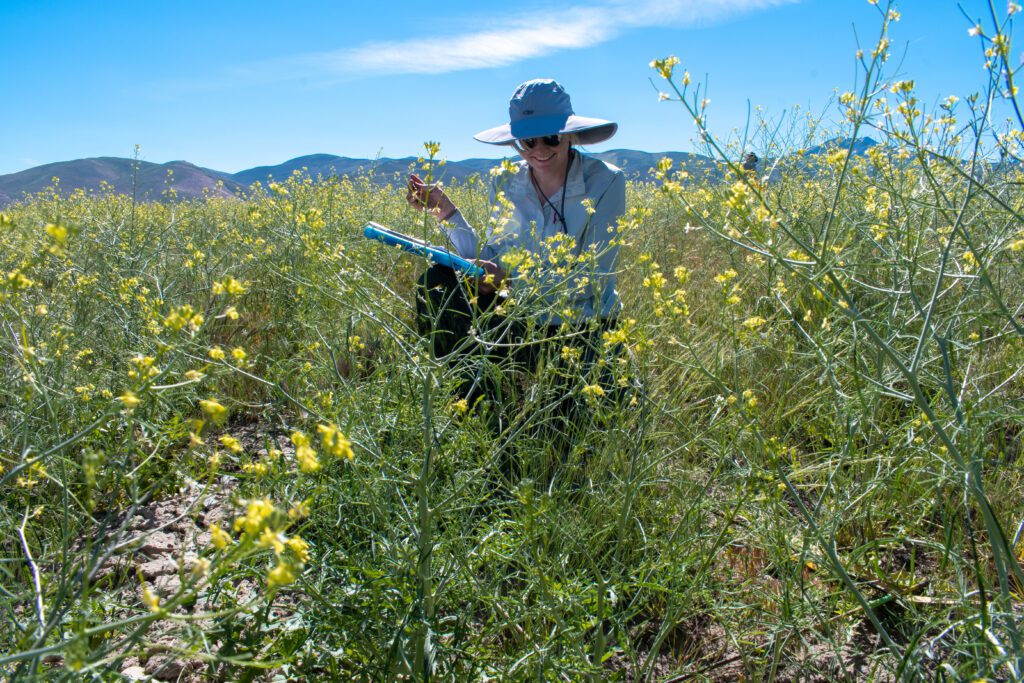
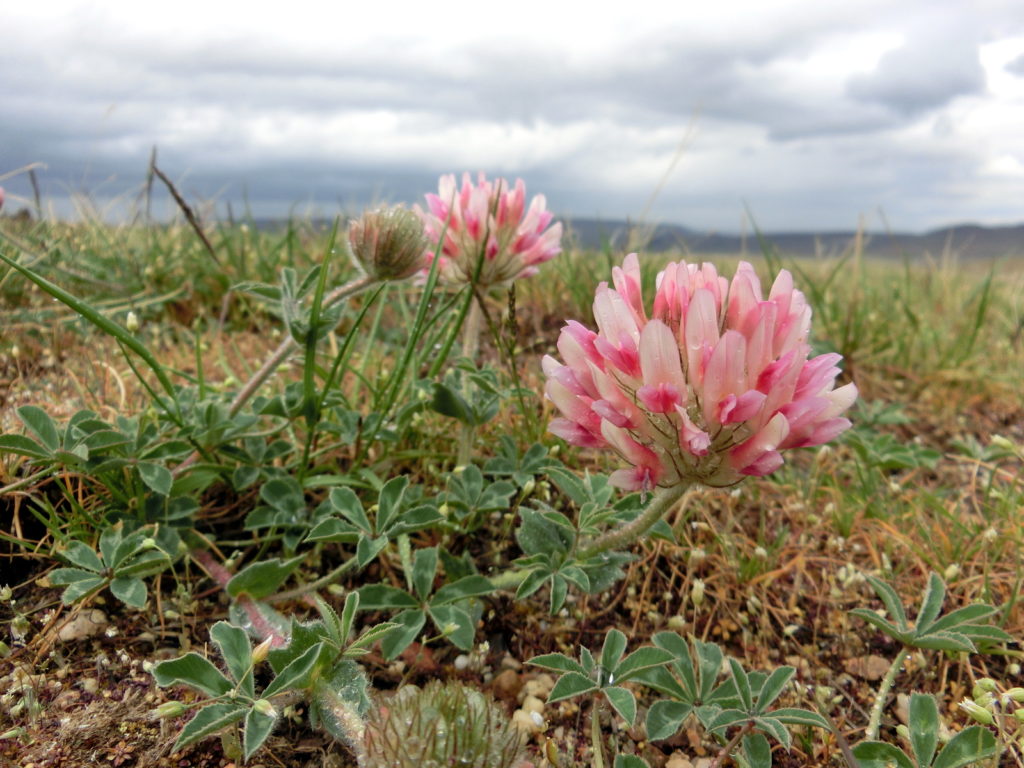
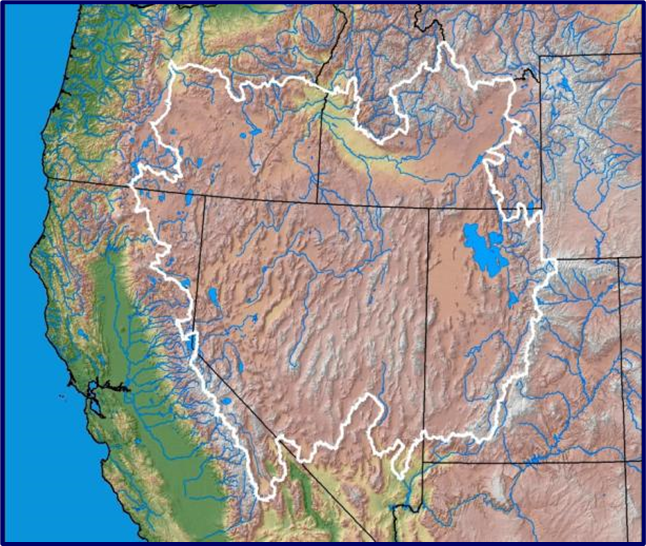
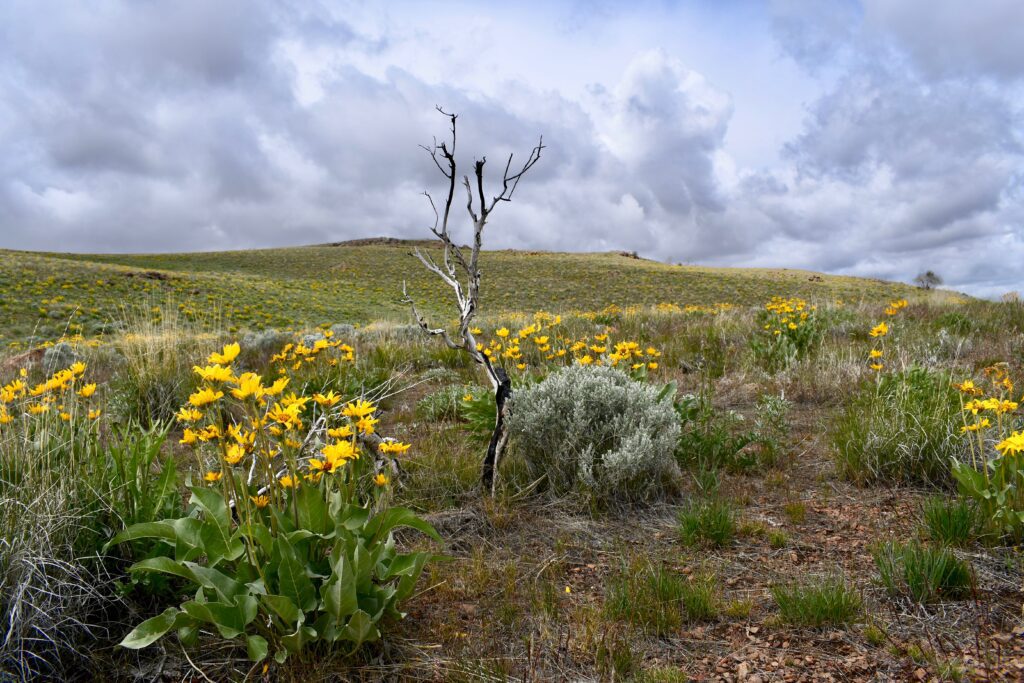
The Great Basin is a semi-arid, cool desert that occupies a vast expanse (about 1.4 million acres) in the western United States. The region includes more than 1 million acres of public land.
As wildfire and other natural pressures impact the U.S., the need for native plant seed has rapidly increased, particularly in the Great Basin Desert. The BLM's Plant Conservation and Restoration Program, in cooperation with the USFS Rocky Mountain Research Station and US Fish and Wildlife Service, is working to ensure land managers across the Great Basin Desert are able to buy the native seed that provide wildlife habitat, wildfire resilience, and recreational opportunities. There are more than 30 major cooperators in 9 states currently working to meet project objectives since our inception in 2001.
Goals
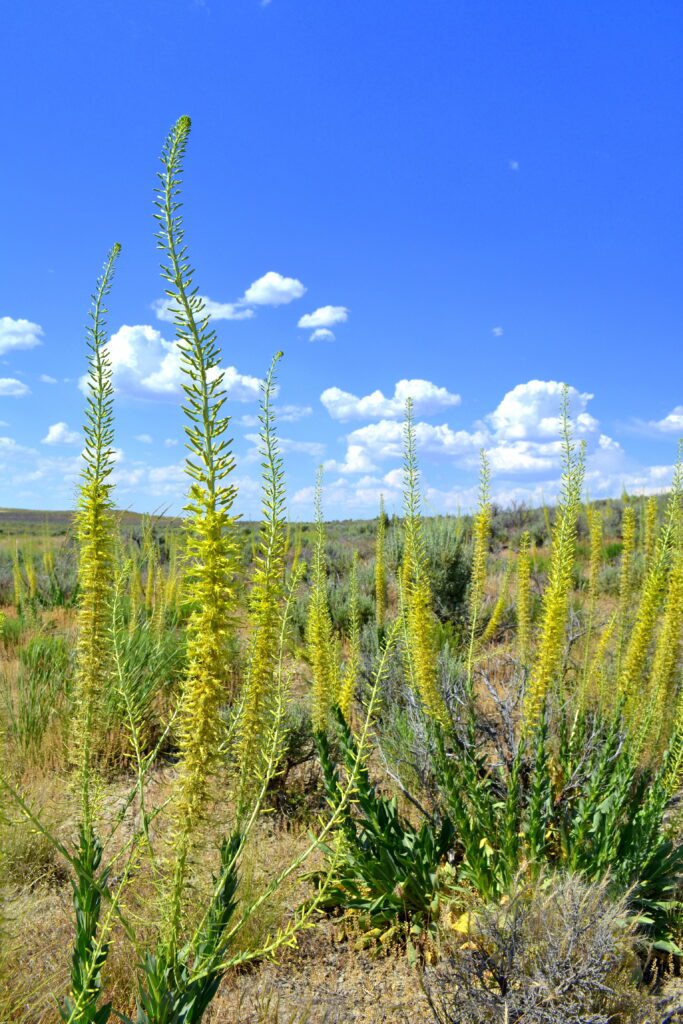
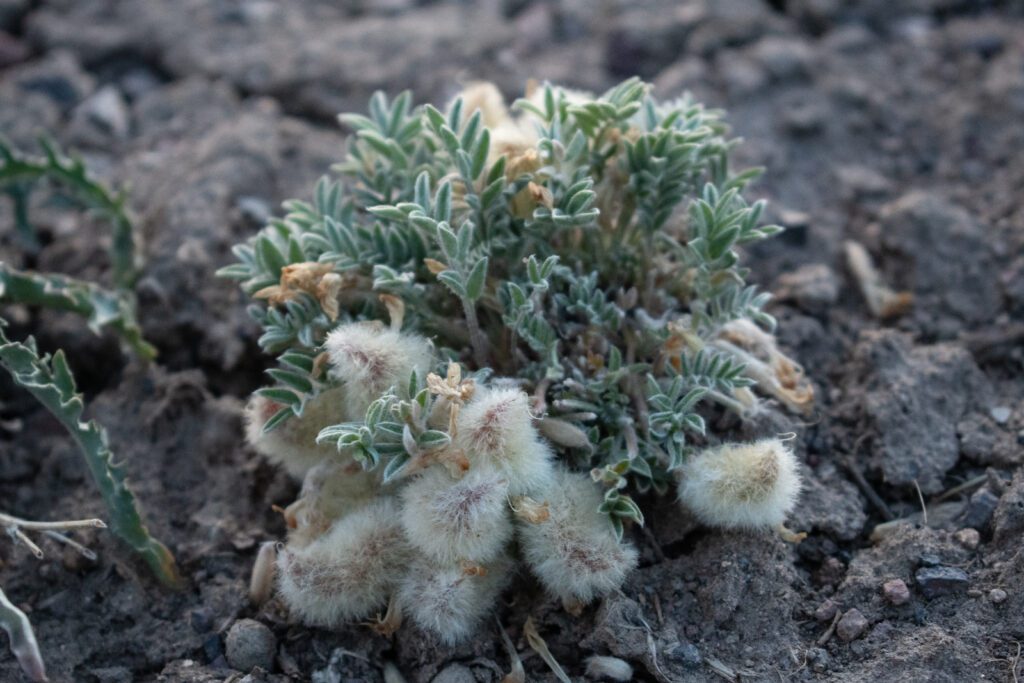
- Increase the variety of native plant materials available for revegetation efforts in the Great Basin.
- Provide an understanding of species variability and potential response to climate to improve seed transfer guidelines.
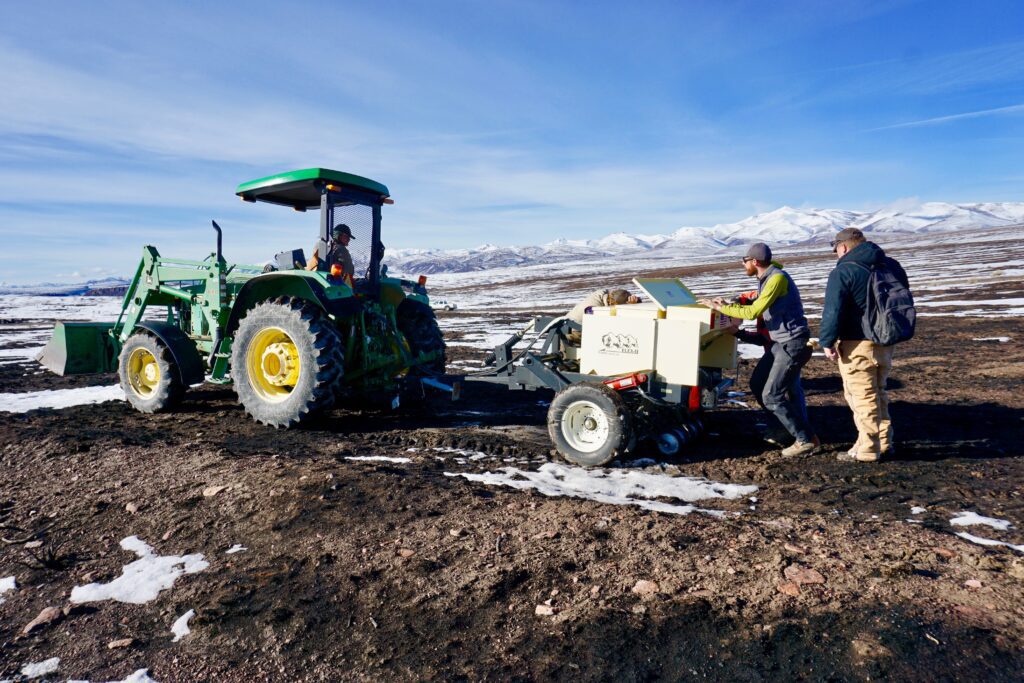
- Develop seeding technology and equipment for successful reestablishment of native plant communities.
- Provide science delivery to land managers, private sector seed growers, and reclamation contractors.
The Great Basin Native Plant Project is focused on genetics, species-specific seed zones, rapid testing and provisional seed zones, and the establishment of a common garden network to support researchers and land managers in developing sound management and successful revegetation practices in the face of threats from invasive species and shifting fire regimes. Results continue to improve land manager's ability to obtain and use native plants for rehabilitation and reclamation projects.
Objectives
- Examine genetic variation within species and formulate seed transfer guidelines for key revegetation species and incorporate climate knowledge in the development of plant materials and revegetation strategies.
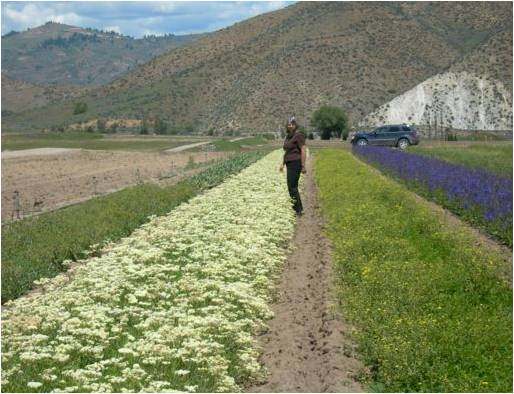
- Cooperate with agency personnel, Foundation Seed organizations, and private seed growers to facilitate seed increase of selected native species.
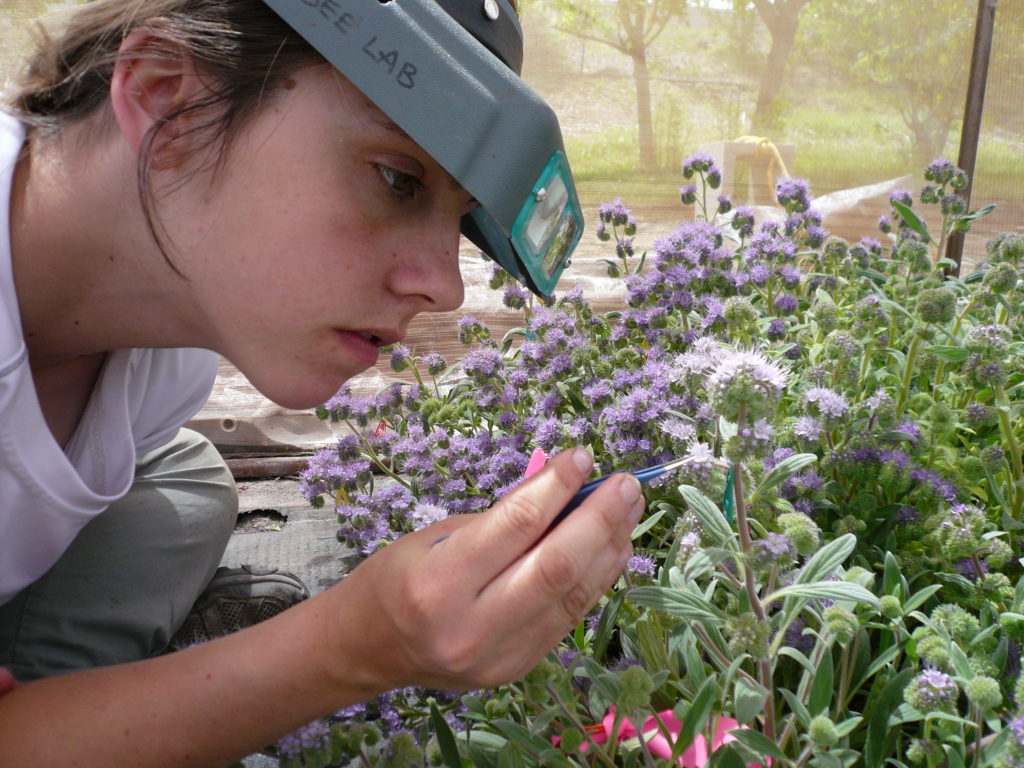
- Identify pollinators, seed predators, and plant diseases; develop management strategies to enhance agricultural seed production.
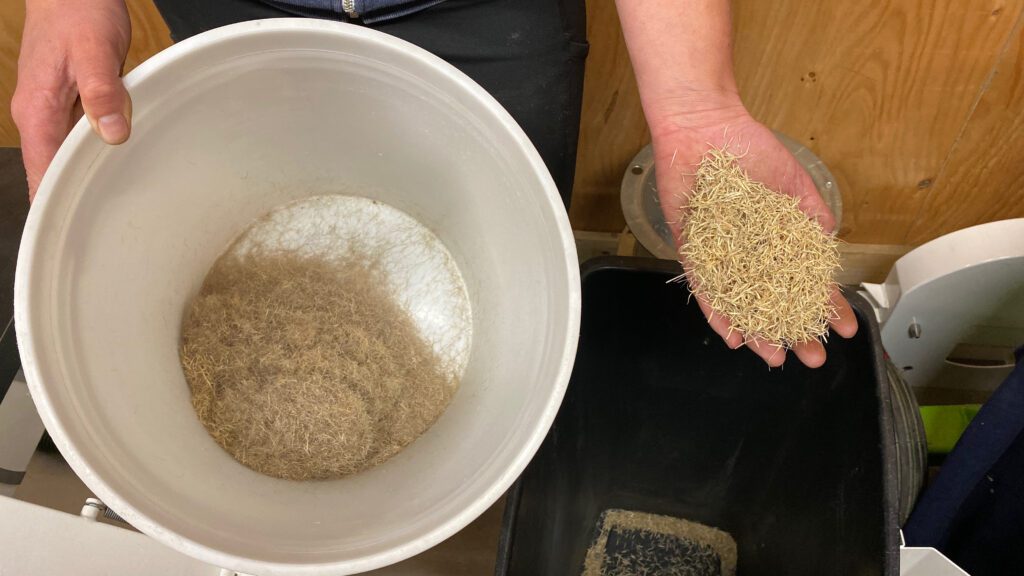
- Determine factors regulating seed germination and develop seed harvesting, cleaning, testing, and storage technology.
- Examine interactions between invasive species and revegetation species.
- Develop cultural practices including irrigation regimes, herbicide options, and seeding rates and dates for commercial seed production of individual species.
- Develop seeding technology to reestablish functional native plant communities and habitat.
- Support rapid and effective communication and application through science delivery to seed growers and practitioners.